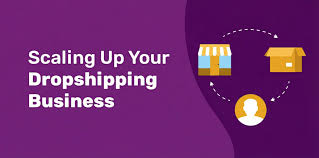
Scaling dropshipping fulfillment means setting up systems and processes that allow your business to handle a significant increase in orders without sacrificing quality or customer satisfaction. It involves finding more reliable suppliers, optimizing your order management, and improving communication channels.
What Is Dropshipping Fulfillment Scaling?
Scaling dropshipping fulfillment is the process of growing your business’s capacity to handle more orders. This means your whole system needs to grow with you. It’s not just about getting more sales.
It’s about being able to handle those sales smoothly. You want to keep customers happy even when you get ten times more orders than before.
Think about it like a restaurant. A small cafe can handle a few tables easily. But if that cafe suddenly gets a Michelin star, they need more cooks, more waiters, and a bigger kitchen.
They need to scale their operations. Dropshipping is the same. When your online store gets popular, your fulfillment process needs to grow too.
If it doesn’t, things fall apart.
This scaling involves several key parts of your business. You need to look at your suppliers. You need to check your order processing.
You have to think about shipping times. Customer service is also a big part. All these pieces must work together.
They must handle more work without breaking.
The goal is to make your business bigger and better. You want to earn more money. But you also want to feel in control.
You don’t want to be stressed all the time. Scaling fulfillment helps you achieve this balance. It makes your dropshipping business sustainable and profitable in the long run.
My Own Fulfillment Fumble: The Night of a Thousand Tracking Numbers
I remember one specific evening about three years ago. I had just launched a new product that unexpectedly went viral on TikTok. I was ecstatic, of course.
Orders were flooding in. It was like a digital champagne cork popping all night long. But as the hours ticked by, the initial thrill turned into a cold sweat.
I was sitting at my desk, laptop glowing, surrounded by empty coffee cups. My spreadsheet, which usually had a few neat rows, was now a chaotic mess of new orders. Each one needed a shipping label, a confirmation email, and a note sent to my supplier.
My single supplier, who was great for our initial small orders, was suddenly swamped. Their response time slowed to a crawl.
I started getting emails from confused customers. “Where is my order?” “Did you ship my item yet?” “The tracking number you sent isn’t working.” Panic started to set in. I had promised fast shipping.
Now I was looking at delays and errors. I felt this knot in my stomach. It was a mix of dread and the awful realization that I was completely unprepared.
I had so much success, but I was failing at the most basic part of the business: getting products to people.
That night, I worked until 3 AM. I manually sent emails, chased my supplier, and apologized to every single customer. It was exhausting.
It was also a huge wake-up call. I knew I couldn’t continue like this. This was the moment I understood that growth isn’t just about sales.
It’s about having the power to deliver on those sales, especially when things get crazy busy.
Key Areas to Scale in Dropshipping Fulfillment
Supplier Network: Don’t rely on just one. Find backup suppliers or work with those who offer multiple warehouses.
Order Management Software: Use tools that automate order placement and tracking. This saves massive time.
Shipping & Logistics: Understand shipping times. Offer different options if possible. Set clear expectations for customers.
Customer Service: Have a system to handle inquiries quickly. Good service builds trust, even during delays.
Finding the Right Suppliers for Growth
When you’re small, any supplier might seem okay. But as you grow, your supplier becomes your most important partner. You need reliable people who can handle more orders.
Relying on a supplier who can’t keep up is like building a skyscraper on sand. It will eventually collapse.
One of the first steps is to stop relying on a single supplier. This is critical. If your main supplier has an issue, your whole business stops.
Look for suppliers who have multiple warehouses. This means they can ship from different locations. It can also mean they have more stock and staff.
Another good sign is a supplier who is already working with other dropshippers. They understand the model. They likely have systems in place to handle multiple orders.
You can ask them about their order volume capacity. Ask them how they handle busy periods. A good supplier will have answers.
They will show you they are prepared.
Look for suppliers who offer tools or integrations. Some can connect directly to your store. This automates the order process.
You send the order, and they handle the rest. This is a huge time saver. It also reduces errors.
Manual data entry is a common cause of mistakes when things get busy.
Don’t be afraid to negotiate. As your order volume increases, you have more power. You can ask for better pricing or faster processing times.
Some suppliers might even offer dedicated account managers. This person is your point of contact. They help solve problems quickly.
Always test new suppliers before moving all your orders to them. Place a few test orders. See how fast they ship.
Check the packaging. See how they handle any issues. This helps you find the best partners for your growing business.
Supplier Red Flags to Watch For
- Slow response times to inquiries.
- Inconsistent product quality.
- Lack of tracking information or delays in providing it.
- Poor communication about stock levels or shipping delays.
- Refusal to work with order management software.
Optimizing Your Order Management Process
Manual order processing is a bottleneck. As orders increase, you spend all your time just moving data around. This isn’t business growth.
It’s busywork. You need to automate as much as possible.
This is where order management software (OMS) comes in. These tools connect to your online store. When a customer places an order, the OMS grabs the details.
It can then automatically send this information to your supplier. It can also generate shipping labels and send confirmation emails.
Popular OMS options include applications like ShipStation, Gooten, or platforms like Oberlo (if you’re still using it, though many are migrating). These tools are designed to handle high volumes. They save you countless hours.
They also drastically reduce the chance of human error. No more mistyped addresses or wrong product codes.
Think about the flow of an order. Customer buys on your site. Order goes to you.
You tell the supplier. Supplier ships. Tracking comes back to you.
You tell the customer. With an OMS, this can become seamless. The OMS pulls the order.
It pushes it to the supplier. It pulls the tracking back. It pushes it to the customer.
This happens in minutes, not hours.
You also need a system for inventory syncing. If your supplier runs out of an item, you need to know immediately. You don’t want customers buying something that’s out of stock.
Good OMS platforms can sync inventory levels. This keeps your store accurate. It prevents overselling.
This is vital for customer trust.
Beyond software, look at your internal process. Who is responsible for what? Even with automation, someone needs to oversee the system.
Someone needs to check for errors. Someone needs to handle exceptions. Define these roles.
This makes sure nothing falls through the cracks.
Consider using dedicated apps for specific tasks. If you have many orders, a virtual assistant can help manage customer service. They can use your OMS to check order status.
They can answer customer questions. This frees you up to focus on bigger business decisions.
Quick Scan: Order Management Automation Steps
| Step | Manual Way | Automated Way |
| Order Capture | Copy-paste from store emails | API integration or OMS sync |
| Supplier Notification | Email or phone call | Automated data push from OMS |
| Shipping Label | Print from carrier site | Automated label generation in OMS |
| Tracking Update | Manually find and email | Automated tracking update to customer |
Managing Shipping and Delivery Expectations
Shipping is where the rubber meets the road. Customers buy from you. They want their items.
They want them fast. When you scale, shipping becomes more complex. You might have orders going to many different places.
Your supplier might be in a different country.
The most important thing here is transparency. Be honest about shipping times. If your supplier is in China and takes 2-4 weeks to deliver, tell your customers.
Don’t promise 3-day shipping if that’s not possible. False promises lead to angry customers and chargebacks.
Many dropshippers use overseas suppliers. This is common. But it means shipping can be slow.
You need to communicate this clearly on your product pages. You can have a dedicated “Shipping Policy” page. Link to it from your product descriptions.
This sets expectations upfront.
Consider offering different shipping options if your supplier allows it. Some suppliers might have faster, more expensive shipping methods. Or you might find a second supplier in a closer location for certain popular items.
This gives customers a choice. It also helps you manage demand better.
Tracking numbers are essential. Every single order should have one. Make sure your supplier provides them promptly.
Your OMS should automatically send these to your customers. This is a huge part of customer service. Customers feel reassured when they can track their package.
What happens when there are delays? This will happen. Weather, customs, or supplier issues can cause problems.
Have a plan. You need to proactively inform customers. Don’t wait for them to ask.
An email saying, “Your order is delayed due to X, we apologize and are working to fix it,” is much better than silence.
Think about your return policy too. How will you handle returns with your suppliers? This needs to be clear.
A complicated return process can deter customers. Make it as simple as possible. This is part of the overall customer experience.
In the U.S. market, delivery speed is a big deal. Customers are used to Amazon Prime.
While you may not match that, aim for the best you can. If your supplier is overseas, maybe explore fulfillment centers in the U.S. This can significantly cut down delivery times for your American customers.
Shipping Information Checklist
- Estimated delivery times clearly stated on product pages.
- Dedicated Shipping Policy page linked in the footer.
- Automatic tracking number updates to customers.
- Proactive communication for any shipping delays.
- Clear and simple return process outlined.
- Consider local fulfillment options for faster U.S. delivery.
Enhancing Customer Service During Growth
When orders increase, customer inquiries also increase. This is normal. But if you don’t handle them well, it can quickly damage your brand.
Scaling customer service is just as important as scaling fulfillment itself.
Your first line of defense is a good FAQ page. Answer common questions about shipping, returns, and product care. This deflects many simple inquiries.
Customers can find answers themselves. This saves them time and your time.
For direct inquiries, set clear response time goals. For example, aim to answer emails within 24 hours. Use canned responses for common questions, but always personalize them slightly.
Customers can tell if you’re just copy-pasting without reading.
Consider using a customer service platform. Tools like Zendesk, Freshdesk, or Gorgias can help manage all your customer communications in one place. They allow you to track tickets, assign them to team members, and monitor response times.
As I mentioned, virtual assistants (VAs) can be a lifesaver. Hiring a VA to handle customer support can free up your time. They can be trained on your products and policies.
They can use your OMS to check order statuses. They become the friendly voice of your brand.
When a problem arises, empathy is key. Even if it’s not your fault, apologize for the customer’s inconvenience. Offer solutions.
This could be a refund, a discount on their next order, or a replacement item. Turning a negative experience into a positive one builds loyalty.
Pay attention to what customers are asking. Are there recurring complaints? This could indicate a problem with your product, your supplier, or your shipping.
Use this feedback to improve your business. It’s a valuable source of information.
For the U.S. market, customers expect a certain level of service. They are used to quick, polite interactions.
Even if your fulfillment is from overseas, your customer service should feel local and responsive. This builds trust and makes them feel valued.
Customer Service Quick Tips
- Be Proactive: Inform customers about issues before they ask.
- Be Empathetic: Understand their frustration, even if the problem isn’t your fault.
- Be Solution-Oriented: Offer clear ways to fix problems.
- Be Consistent: Maintain the same level of service for every customer.
- Be Accessible: Make it easy for customers to contact you.
Leveraging Technology for Scalable Fulfillment
Technology is your best friend when scaling. Relying on manual methods will always limit your growth. Investing in the right tools can make a huge difference.
We’ve touched on OMS, but there are other technologies to consider.
Integration is a big word here. Your e-commerce platform (like Shopify, WooCommerce, etc.) needs to talk to your other tools. Your OMS should integrate with your store.
Your supplier might offer integrations. The more seamless these connections, the less manual work you do.
Consider automation rules. In your OMS or e-commerce platform, you can set up rules. For example, if an order is over $100, automatically flag it for review.
Or if a customer orders a specific product, automatically add a gift note. These small automations add up.
Data analytics are also crucial. Your OMS and e-commerce platform collect data. Look at it!
What are your busiest days? What are your most popular products? Which suppliers are fastest?
Which are slowest? This data helps you make smart decisions about where to focus your efforts.
Communication tools can help manage your team, even if it’s just you and a VA. Slack or similar platforms allow for quick messages and updates. This keeps everyone on the same page, especially when dealing with a high volume of orders and customer interactions.
Don’t overlook fraud detection tools. As your sales increase, you might see an increase in fraudulent orders. Many platforms have built-in tools, or you can use third-party apps.
Protecting yourself from chargebacks is part of managing your finances as you scale.
Finally, think about the future. What technology might you need in a year or two? As your business grows, you might need more advanced inventory management or even a dedicated warehouse.
Planning ahead helps you make investments that will support your long-term growth.
Tech Stack Essentials for Scalable Dropshipping
- E-commerce Platform: Shopify, WooCommerce, etc.
- Order Management System (OMS): ShipStation, Gooten, etc.
- Inventory Sync Tools: Often part of OMS or specific apps.
- Customer Service Software: Zendesk, Gorgias, etc.
- Communication App: Slack or similar.
- Fraud Detection Tools: Built-in or third-party.
When Is It Time to Consider a 3PL?
As your business continues to explode with orders, you might reach a point where even the best suppliers and the most automated systems aren’t enough. This is when it’s time to seriously consider a Third-Party Logistics (3PL) provider. A 3PL is a company that handles your warehousing, picking, packing, and shipping.
So, what’s the tipping point? It’s usually when you’re spending too much time managing the day-to-day operations. If you’re constantly worried about stock levels, finding new suppliers, or dealing with shipping carriers, you’re likely past the point of efficient DIY fulfillment.
Other signs include:
- High Order Volume: Consistently processing hundreds or thousands of orders per month.
- Complex Inventory: You have a large number of SKUs (Stock Keeping Units) or require special storage.
- Geographic Reach: You need to ship to many different regions quickly.
- Desire for Faster Shipping: You want to offer your customers 1-2 day shipping across the U.S.
- Focus on Growth: You want to spend more time on marketing and product development, not operations.
A 3PL can be a game-changer. They have established warehouses, often in strategic locations across the U.S. They have staff dedicated to packing and shipping.
They have negotiated rates with shipping carriers, which can sometimes be cheaper than what you’d get yourself.
When you partner with a 3PL, you send your inventory to their warehouse. They then pick, pack, and ship orders directly from there. This means you’re no longer relying on individual dropshipping suppliers for every single order.
You own your inventory, which gives you more control.
This is a big step. It involves upfront costs for inventory and warehousing fees. But for many scaling dropshippers, it’s the necessary evolution to become a true e-commerce brand.
It allows you to offer faster, more reliable shipping. It also frees you from the logistical headaches that come with rapid growth.
3PL vs. Dropshipping: Key Differences
- Dropshipping: You never hold inventory. Supplier ships directly to customer.
- 3PL: You own inventory and store it at a 3PL warehouse. They ship it for you.
- Control: 3PL offers more control over inventory and branding.
- Speed: 3PLs can often offer faster shipping, especially within the US.
- Cost: Dropshipping has lower upfront costs. 3PLs have storage and fulfillment fees.
Real-World Context: American Homes and Habits
Understanding the American consumer is key when scaling dropshipping fulfillment for the U.S. market. Americans are accustomed to convenience and speed.
Think about Amazon’s dominance. Consumers expect fast shipping, easy returns, and good customer service.
If your current fulfillment model relies heavily on overseas suppliers, the shipping times can be a major hurdle. A customer in New York might be looking at 3-4 weeks for an item shipped from China. This is a long time compared to what they’re used to.
This can lead to abandoned carts or increased customer anxiety.
This is why having a U.S.-based fulfillment strategy, even if it means using a 3PL or sourcing from U.S. suppliers, becomes so important. It aligns your business with consumer expectations.
It makes your brand feel more trustworthy and reliable.
Consider the types of products you sell. Are they seasonal? Do they require specific packaging or handling?
For example, fragile items need careful packing. Food items might need temperature control. A good 3PL will have specialized services for these needs.
Your marketing efforts also tie into fulfillment. If you’re running ads promising quick delivery, your fulfillment must deliver. Mismatched expectations lead to unhappy customers and wasted ad spend.
Your fulfillment strategy should support your marketing goals.
Think about the seasons. The holiday season in the U.S. (November-December) sees a massive spike in online shopping.
Your fulfillment process must be able to handle this surge. A 3PL can often scale their operations to meet holiday demand, which can be difficult for smaller dropshippers to manage alone.
Ultimately, your fulfillment strategy needs to match the reality of American consumer habits and the competitive landscape. It’s about building a seamless experience from the moment a customer clicks “buy” to when they receive their package.
What This Means For You: When is it Normal, When to Worry?
It’s completely normal for your dropshipping business to experience growing pains. A slight increase in customer inquiries? Normal.
A few orders taking a day longer than usual? Normal. Your supplier telling you they’re a bit backed up?
Normal, but a sign to watch.
When should you start to worry?
- Consistent Shipping Delays: If orders are regularly taking much longer than promised.
- High Rate of Lost Packages: If packages are frequently disappearing in transit.
- Customer Complaints Skyrocketing: If you’re getting many negative reviews or chargebacks.
- Supplier Unreliability: If your supplier is consistently slow to respond, out of stock, or makes frequent errors.
- Personal Overwhelm: If you’re spending all your time on fulfillment tasks and have no time for business growth.
These are signals that your current fulfillment setup is not sustainable. It’s a sign that you need to adapt. Ignoring these warnings will lead to a decline in sales and reputation.
If you’re seeing these issues, it means it’s time to actively seek solutions. This could involve finding new suppliers, investing in automation software, or preparing to transition to a 3PL. The key is to be proactive rather than reactive.
It’s also important to remember that scaling isn’t linear. You might have periods of rapid growth followed by plateaus. Your fulfillment system should be flexible enough to handle these fluctuations.
But the core systems should be robust enough to support significant increases.
Simple checks you can do:
- Review your customer service tickets from the last month. Are there common themes related to shipping or product issues?
- Check your supplier’s performance. Are they meeting their promised turnaround times?
- Look at your order processing time.
How long does it take from order placement to supplier notification?
These simple checks can give you a clear picture of where your fulfillment stands.
Quick Fixes & Tips for Better Fulfillment Flow
Before you implement major changes, there are often quick wins you can achieve. These tips can help improve your fulfillment process right now.
1. Create Standardized Email Templates: Have ready-to-go emails for order confirmations, shipping notifications, delay announcements, and responses to common questions. This ensures consistency and speed.
2. Batch Your Tasks: Instead of responding to every email as it comes in, set specific times to process orders, answer emails, and check supplier updates. This improves focus and efficiency.
3. Improve Product Descriptions: Ensure your product descriptions clearly state estimated shipping times and any potential delays. This manages customer expectations upfront and reduces “Where is my order?” inquiries.
4. Set Up Auto-Responders: For social media or email, an auto-responder can let customers know you’ve received their message and will reply soon. It shows responsiveness even if you’re busy.
5. Negotiate with Existing Suppliers: If your order volume has increased significantly, go back to your current supplier. Show them your growth and ask for better terms, faster processing, or dedicated support.
6. Prioritize Communication: When there’s a problem with an order, communicate with your supplier and the customer as soon as possible. Proactive communication can often de-escalate a situation.
7. Use a Shared Calendar: If you have a small team or a VA, use a shared calendar for key dates, supplier deadlines, or customer follow-ups.
These small adjustments can make a noticeable difference in how smoothly your fulfillment operates. They are often the first steps towards a more robust system.
Frequently Asked Questions About Scaling Dropshipping Fulfillment
What is the biggest challenge when scaling dropshipping fulfillment?
The biggest challenge is maintaining quality and customer satisfaction as order volume increases. This includes keeping up with shipping times, managing supplier reliability, and handling customer service inquiries without dropping the ball.
How do I find reliable dropshipping suppliers for scaling?
Look for suppliers with a proven track record, good communication, and the capacity to handle higher volumes. Requesting samples, checking reviews, and asking about their existing client base can help. Diversifying your supplier base is also crucial.
Should I use order management software even if I have few orders?
It’s wise to implement order management software early. While you might manage with spreadsheets initially, as soon as you see consistent orders, automation tools save time, reduce errors, and prepare your business for growth. It’s an investment in efficiency.
How can I offer faster shipping with overseas suppliers?
While difficult, you can explore suppliers who offer expedited shipping options, though this increases costs. Another strategy is to find U.S.-based suppliers or consider using a U.S. fulfillment center for your best-selling products.
When is the right time to hire a virtual assistant for fulfillment support?
Hire a virtual assistant when you find yourself spending too much time on repetitive tasks like order processing, tracking updates, or basic customer inquiries. If these tasks are taking away from strategic business growth activities, it’s time to delegate.
What are the signs I need to consider a 3PL (Third-Party Logistics) provider?
Signs include consistently high order volume (hundreds to thousands per month), difficulty managing inventory, needing faster U.S. shipping, and spending too much time on operational tasks instead of marketing or product development.
How does scaling fulfillment affect my brand reputation?
Scaling fulfillment correctly enhances your brand reputation by ensuring timely deliveries, accurate orders, and responsive customer service. Conversely, poor scaling leads to delays, errors, and customer complaints, which severely damage your brand.
Conclusion: Building a Fulfillment Machine
Scaling your dropshipping fulfillment is about building a robust system that can handle success. It’s not about magic fixes, but about smart choices. Choose reliable partners.
Embrace automation. Communicate honestly with your customers. Your fulfillment process is the engine of your business.
Keep it well-oiled, and it will drive you to new heights. Your customers will thank you for it.