Many dropshippers hit this point. You feel like a middleman, not a real business owner. Your customers don’t know you; they only know the product. This feeling is the first sign that you’re ready to move past simple reselling. It’s time to build a brand. This guide will walk you through that transition. We’ll look at what it means and how to make it happen.
Transitioning from dropshipping to brand building means shifting focus from just selling products to creating a recognized identity. It involves developing a unique story, value proposition, and customer experience that fosters loyalty and sets you apart from competitors who also sell the same items. This move aims to build long-term business value beyond immediate sales.
What Does Building a Brand Mean?
Building a brand isn’t just about a logo or a catchy name. It’s about the whole package. It’s what people think and feel when they hear your business name. Think about companies you love. Why do you stick with them? It’s more than just the product itself. It’s the trust they build. It’s the feeling they give you. It’s the values they stand for.
For a dropshipping business, this means taking control. You’re no longer just listing other people’s products. You start to think about who your ideal customer is. What do they care about? What problems do they have that you can help solve? You start to craft a story that connects with them. This story becomes the heart of your brand.
A strong brand helps you stand out. The online world is crowded. Lots of stores sell similar items. If you’re just another dropshipper selling the same gadget, why would someone choose you? A brand gives them a reason. They might choose you because they like your mission. Maybe they trust your quality. Or they feel a connection to your message.
This shift also changes how you operate. You’ll start thinking about customer service differently. Instead of just handling complaints, you’ll aim to create amazing experiences. You’ll consider product quality more deeply. You might even work with manufacturers to create custom products down the line. It’s about ownership and long-term vision.
My Own Brand Awakening
I remember when I first started dropshipping. It was a thrill. I’d found a niche, picked a few products, and set up a simple store. Sales started trickling in. Then, they picked up speed. I was spending hours picking new products, looking at ads, and shipping labels. But something felt… empty. My customers never emailed me with praise. They only emailed with problems.
One evening, I got an email from a customer. They were frustrated because a product arrived late and wasn’t quite what they expected. I sent them a standard apology and a refund. But as I closed my laptop, I felt a pang. I hadn’t just failed that customer; I felt like I’d failed my potential business. I was just moving boxes. I wasn’t building anything solid. I realized then that I needed to be more than a reseller. I needed to be a brand.
The idea of building a brand seemed huge and scary at first. How could I compete with big names? I didn’t have a factory. I didn’t have a marketing team. But I had my own ideas. I knew what I liked and what I didn’t. I started paying attention to stores I admired. What made them special? It was the feeling they gave me, the story they told. That’s when I decided to stop just selling things and start building a real business identity.
The Brand Building Mindset Shift
From Product-Focused to Customer-Focused: Instead of just finding products, you focus on understanding your customer’s needs and desires.
From Transactions to Relationships: You aim to build lasting connections with your customers, not just one-time sales.
From Reseller to Creator: You start thinking about how you can offer something unique, even if it’s just your unique packaging or service.
Why Transitioning is Crucial for Long-Term Success
Dropshipping is a great way to start. It has low barriers to entry. You can test products and markets easily. But it’s also a very competitive space. Many people are doing the same thing. This means constant pressure on prices. It’s hard to build loyalty when customers can find the same product cheaper elsewhere.
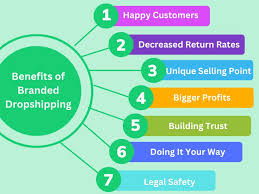
Building a brand changes this game. When you have a strong brand, you’re not just selling a product. You’re selling a promise. You’re selling an experience. Customers become loyal to you, not just the item. This loyalty means they’re less likely to switch to a competitor, even if the price is slightly higher.
A brand also gives your business more value. If you ever want to sell your business, a strong brand is a huge asset. Buyers pay for established customer bases and brand recognition. A collection of dropshipping stores selling random products is worth much less than a single, well-loved brand.
Furthermore, a brand allows for better marketing. Instead of just running ads for specific products, you can tell your brand’s story. You can build a community around your values. This creates deeper engagement. It leads to more organic growth. People will share your brand with others because they believe in what you represent.
Step 1: Define Your Brand Identity
This is the foundation. Before you change anything, you need to know who you are as a brand. What makes you different? What do you stand for? This is where you dig deep into your business’s soul.
Start by thinking about your target audience. Who are you trying to reach? What are their dreams, their struggles, their interests? The more you understand them, the better you can connect with them. Imagine your ideal customer. What do they look like? What kind of language do they use? What are their values?
Next, define your brand’s mission and vision. What is the overall purpose of your business? What do you hope to achieve in the long run? Your mission is your “why.” Your vision is where you’re going. For example, a mission might be “to make sustainable living accessible to everyone.” A vision could be “to be the leading brand for eco-friendly home goods.”
What are your core values? These are the principles that guide your business decisions. They should be genuine. Examples include integrity, innovation, community, sustainability, or quality. These values will shape your messaging and how you interact with customers.
Consider your brand’s personality. Is it playful and fun? Serious and professional? Inspiring and empowering? This personality should come through in your website’s tone, your social media posts, and your customer service.
Brand Identity Questions to Ask Yourself
- Who is my ideal customer?
- What problem do I solve for them?
- What are my business’s core values?
- What is my unique selling proposition (USP)?
- What feeling do I want my brand to evoke?
Step 2: Develop a Unique Selling Proposition (USP)
Your USP is what makes you stand out from the competition. In dropshipping, many stores sell identical products. A USP gives customers a reason to choose your store over others.
Think about what makes your offering special. Is it a particular type of product? A certain quality level? Maybe it’s your commitment to sustainability or ethical sourcing. Or perhaps it’s your exceptional customer service. Even if you’re still dropshipping, you can differentiate yourself.
For example, if you sell home decor, your USP could be: “We curate ethically sourced, artisan-made home decor that brings unique global style to your space.” Or if you sell pet supplies: “The only pet store focused on providing sustainable, durable toys for anxious dogs.”
A strong USP should be clear, concise, and compelling. It should highlight a benefit that your target customers value. It’s not just about features; it’s about what those features do for the customer. This is the core message you’ll use in your marketing and on your website.
USP Examples for Dropshippers
| Niche | Dropshipping USP Idea | Branded USP Idea |
|---|---|---|
| Kitchen Gadgets | “Innovative Kitchen Tools to Simplify Cooking” | “Your Kitchen’s Best Friend: Smart Gadgets for Easy Meals” |
| Fitness Apparel | “Comfortable Workout Clothes for Every Body Type” | “Empowering Your Fitness Journey with Sustainable Activewear” |
| Home Office Supplies | “Essential Gear for a Productive Home Office” | “Design Your Dream Workspace: Ergonomic and Stylish Solutions” |
Step 3: Choose a Brand Name and Visual Identity
Your brand name is the first thing people notice. It should be memorable, easy to pronounce, and relevant to your brand identity. If you’re currently using a generic name, it’s time to think about something more meaningful.
When choosing a name, check if the domain name and social media handles are available. This is crucial for online presence. A name that evokes the right feeling or hints at your USP is a big plus.
Next comes your visual identity. This includes your logo, color palette, and typography. These elements create a consistent look and feel across all your platforms. Your logo should be simple, scalable, and represent your brand well.
Your color palette should reflect your brand’s personality. Blue might suggest trust and calm. Red can convey passion and energy. Green often signifies nature and health. Choose colors that resonate with your target audience and your brand values.
Typography involves the fonts you use. They should be easy to read and consistent with your brand’s personality. A professional and well-designed visual identity builds trust and makes your brand look more credible and appealing.
Step 4: Elevate Your Customer Experience
Customer experience is where a brand truly shines, especially when transitioning from dropshipping. Dropshipping often means a hands-off approach to customer service. Building a brand requires you to be hands-on and thoughtful.
This starts with your website. Is it easy to navigate? Is the checkout process smooth? Does it reflect your brand’s personality? High-quality product descriptions and images are essential. They help manage customer expectations and reduce returns.
Customer support is paramount. Be responsive, friendly, and helpful. Go the extra mile to resolve issues. Think about proactive communication. Inform customers about their order status, shipping updates, and potential delays. This transparency builds trust.
Consider adding a personal touch. This could be a thank-you note in the package, personalized email follow-ups, or a loyalty program. These small gestures make customers feel valued and appreciated. They turn a transaction into a relationship.
Packaging is another key element. Even if you’re still using a dropshipping supplier, you can explore options like custom inserts or branded packaging tape. If you move towards private labeling or holding some inventory, custom packaging becomes even more vital. It’s the first physical interaction a customer has with your brand.
Key Elements of Great Customer Experience
Seamless Website Navigation: Easy to find products and checkout.
Responsive Support: Quick and helpful answers to questions.
Transparent Communication: Order updates and honest information.
Personalized Touches: Making the customer feel special.
Thoughtful Packaging: A positive unboxing experience.
Step 5: Create Valuable Content
Content marketing is a powerful way to build a brand. It’s about providing value to your audience beyond just selling products. This helps you establish expertise and connect with customers on a deeper level.
Think about what your target audience is interested in. What questions do they have? What problems are they trying to solve? Create blog posts, videos, social media updates, or guides that address these topics. For example, if you sell kitchen gadgets, you could write recipes, cooking tips, or reviews of different cooking techniques.
Your content should align with your brand’s values and mission. If your brand is about sustainable living, your content should focus on eco-friendly tips, product spotlights on sustainable items, or interviews with environmental advocates.
This approach helps you attract organic traffic to your website. It positions you as an authority in your niche. It also gives people a reason to follow your brand even when they aren’t ready to buy. When they are ready, they’ll think of you first.
Consistency is key. Regularly publishing valuable content keeps your audience engaged and your brand top-of-mind. It’s a long-term strategy that pays off by building trust and fostering a loyal community.
Content Ideas Based on Niche
Home Decor: Room makeovers, styling tips, history of decor styles, DIY projects.
Pet Supplies: Training tips, health advice, breed spotlights, pet owner stories, reviews of different food types.
Sustainable Products: Zero-waste living guides, eco-friendly swaps, impact reports, DIY composting.
Tech Gadgets: How-to guides, product comparisons, future tech trends, ethical tech sourcing.
Step 6: Consider Product Sourcing and Private Labeling
As your brand grows, you’ll want more control over your products. This is where sourcing and private labeling become important steps.
Private Labeling: This involves finding a manufacturer to produce products under your brand name. You can often choose the design, materials, and packaging. This gives you a truly unique product that competitors can’t easily replicate. It’s a significant step in brand building.
Custom Inserts/Packaging: Even before full private labeling, you can work with suppliers to add custom inserts to your product packages. These inserts can include a thank-you note, care instructions, or brand information. This adds a branded touch to the unboxing experience without changing the core product.
Finding Reliable Suppliers: When moving towards private labeling, thorough supplier research is crucial. Look for manufacturers with good reviews, clear communication, and the ability to meet your quality standards. Platforms like Alibaba are common starting points, but always vet suppliers carefully.
Holding Inventory: Private labeling often means you’ll need to hold some inventory. This shifts your business model from pure dropshipping to a hybrid or traditional e-commerce model. You’ll need to manage stock levels and fulfillment, either yourself or through a third-party logistics (3PL) provider.
This control over your product line allows you to ensure quality, innovate, and build a stronger brand identity. It’s a critical step in moving from reselling to owning your market position.
Private Labeling vs. White Labeling vs. Custom Branding
White Labeling: A manufacturer produces a generic product. You buy it and sell it as your own, usually with your logo on it. The product itself isn’t unique to you.
Private Labeling: You work with a manufacturer to create a product based on their existing designs, but it’s made exclusively for your brand. You have more control over specifications.
Custom Branding: This is the broadest term. It can include private labeling, but also designing a product from scratch with a manufacturer, or adding unique packaging and inserts to existing products.
Step 7: Build a Community Around Your Brand
A strong brand isn’t just about selling products; it’s about building a community of loyal fans. This community feels connected to your brand and its values.
Social media is a primary tool for this. Engage with your followers. Respond to comments and messages. Run polls and ask questions to encourage interaction. Share user-generated content (with permission, of course). This shows that you value your customers and their opinions.
Consider creating a Facebook group or a Discord server for your customers. This gives them a dedicated space to connect with each other and with your brand. It fosters a sense of belonging.
Email marketing is also vital for community building. Beyond promotional emails, send newsletters that offer value, share brand stories, or highlight customer successes. Segment your list to send more targeted and relevant content.
When customers feel like part of a community, they become advocates for your brand. They’ll be more likely to make repeat purchases, refer friends, and defend your brand. This loyalty is invaluable and hard for competitors to replicate.
Step 8: Marketing Your Brand Effectively
Once you have a solid brand identity, you need to market it. This goes beyond just running ads for products. It’s about telling your brand’s story and connecting with people on an emotional level.
Content Marketing: As mentioned earlier, creating valuable content attracts and engages your audience. This is a cornerstone of modern brand marketing.
Social Media Marketing: Use social platforms to showcase your brand’s personality, engage with followers, and share your brand story. Focus on platforms where your target audience spends their time.
Influencer Marketing: Partner with influencers who align with your brand values and whose audience matches your target demographic. Authenticity is key here.
Paid Advertising: While you’ll still use ads, focus them on brand awareness and driving traffic to your content or brand story pages. Retargeting is also effective for bringing interested customers back.
Search Engine Optimization (SEO): Optimize your website and content so people can find you when searching for solutions your brand offers. This includes optimizing for keywords related to your niche and brand.
The goal is to create a consistent message across all channels. Your marketing should reinforce your brand identity, values, and USP. It should attract people who resonate with what you stand for.
Marketing Channels to Consider
Organic Social Media: Building a following through consistent posting and engagement.
Paid Social Media: Targeted ads to reach specific demographics.
Content Marketing: Blogs, articles, videos to attract and educate.
Email Marketing: Nurturing leads and building customer loyalty.
SEO: Improving search engine rankings to drive organic traffic.
What This Means For You Now
If you’re currently dropshipping, this transition might seem daunting. But remember, it’s a journey. You don’t have to do everything at once. Start small.
First, focus on defining your brand identity. What do you want your business to represent? Then, work on improving your customer experience. Even small changes here can make a big difference.
You can start creating content that aligns with your emerging brand. This builds your audience and establishes you as more than just a seller. As you gain confidence and see results, you can then explore private labeling and inventory management.
The key is to be intentional. Every decision you make should move you closer to building a recognized and trusted brand. It’s about creating value that lasts beyond individual product sales.
When is it Normal to Think About Brand Building?
It’s completely normal to start thinking about brand building when you feel like you’re hitting a ceiling with pure dropshipping. This often happens when:
- You want to differentiate yourself: When you realize you’re selling the same products as many others and it’s hard to compete.
- You desire customer loyalty: When you want customers to choose you repeatedly, not just for the cheapest price.
- You want to build long-term value: When you’re thinking about your business as an asset that can grow and be sold in the future.
- Your passion is showing: When you’re genuinely excited about a niche and want to share that with the world.
- Customer feedback is repetitive: When most customer interactions are about problems with products or shipping, rather than engagement.
Quick Tips for a Smoother Transition
Here are some actionable tips to help you move from dropshipping to brand building:
- Start with your branding elements: Even before changing suppliers, design a logo and pick your brand colors. Use them everywhere.
- Craft a compelling “About Us” page: Tell your brand’s story. Why did you start? What do you believe in?
- Improve product descriptions: Write them from your brand’s voice. Focus on benefits, not just features.
- Focus on one niche: Trying to be everything to everyone is the enemy of brand building.
- Engage on social media: Start building a community, even if you don’t have unique products yet.
- Offer excellent customer service: This is a direct way to build trust and loyalty, regardless of your product source.
- Test custom inserts: Add a small, branded card with your thank you note to packages.
Frequently Asked Questions
Can I still dropship while building a brand?
Yes, absolutely. Many successful brands start by dropshipping. The key is to shift your mindset and focus. Use dropshipping as a tool to test products and understand your market while you develop your brand identity, customer service, and marketing strategies. As your brand grows, you can gradually transition to private labeling and holding inventory for key products.
How long does it take to build a brand?
Brand building is an ongoing process, not a destination. You can start seeing results in a few months with consistent effort. However, building a truly strong, recognizable brand can take years. Focus on consistent progress, learning, and adapting. There’s no set timeline; it’s about the journey and the value you create over time.
What if I don’t have a unique product idea?
You don’t always need a completely new product. You can build a brand around existing products by focusing on your unique selling proposition (USP). This could be your target audience, your brand values (like sustainability or ethical sourcing), your exceptional customer service, or your distinctive marketing and content. Your brand story and the experience you provide can make even common products stand out.
How much money do I need to start building a brand?
You can start building a brand with very little extra money. The initial steps focus on strategy, identity, and customer service, which are largely time investments. You can design a logo using free tools, write your own website copy, and focus on organic social media. As you grow and see sales, you can reinvest profits into better packaging, private labeling, or paid marketing. The key is to be resourceful.
What is the difference between branding and marketing?
Branding is about creating an identity. It’s who you are, what you stand for, and the promise you make to your customers. Marketing is the set of activities you do to communicate that brand and sell your products or services. Think of branding as the foundation and the personality of your house, while marketing is how you invite people over and tell them about its features.
Should I change my website design completely?
It’s beneficial to update your website to reflect your new brand identity. This includes your logo, color scheme, fonts, and tone of voice. Ensure your website is easy to navigate and clearly communicates your brand’s USP and values. Even small updates can make a big difference in how customers perceive your business. A cohesive brand experience across all touchpoints is vital.
Conclusion
Transitioning from dropshipping to brand building is a powerful move. It’s about creating something more meaningful and lasting. It requires a shift in focus from just selling products to building relationships and a distinct identity. By defining your brand, enhancing customer experience, and telling your story, you can build a business that customers trust and love. It’s a rewarding path for any e-commerce entrepreneur.