Dropshipping failure often stems from unrealistic expectations, poor product research, weak marketing, bad customer service, and intense competition. Many beginners overlook the foundational work needed to build a sustainable business. Success requires dedication, learning, and adapting to the market’s demands.
Understanding Dropshipping Failure
Dropshipping sounds easy. You set up a store. People buy things.
A supplier ships them. But there’s much more to it. Many folks jump in thinking it’s a get-rich-quick scheme.
They don’t see the hard work involved. This leads to disappointment and then, failure. It’s like trying to build a house without strong plans.
You need to know the real picture.
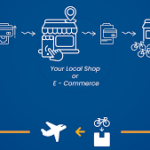
The core idea of dropshipping is selling products you don’t stock. When a customer buys from you, you order it from a third-party seller. That seller ships it straight to the customer.
This model cuts out a lot of upfront costs. You don’t need a warehouse. You don’t buy inventory in bulk.
This is the appeal. It seems like a low-risk way to start an online business.
However, the low barrier to entry means many people try it. This creates a crowded market. Standing out is hard.
Also, you have less control over the customer experience. The supplier’s speed and product quality directly impact your brand. If they mess up, you look bad.
This is a big reason why many stores fail to gain trust.
My First Dropshipping Dive: A Costly Lesson
I remember my first attempt at dropshipping. It was about five years ago. I was working late one night, scrolling through social media.
I saw ads for amazing gadgets that promised to make life easier. I thought, “I can sell these!” I quickly set up a simple website. I found a supplier on a popular platform.
They had decent reviews and low prices.
I spent a little money on ads. Some people clicked. A few even bought a product.
I was so excited! Then, the emails started. “Where is my order?” “This took forever!” “The item is broken!” My heart sank.
I contacted the supplier. They were slow to respond. They blamed shipping delays.
They offered little help. I felt so helpless and embarrassed. I had to refund customers.
I lost money on ads and refunds. My dream store died before it truly lived. I learned that choosing the right supplier and managing customer expectations are critical.
It wasn’t just about finding a product; it was about running a real business.
Common Pitfalls Leading to Dropshipping Failure
Unrealistic Expectations: Many think dropshipping is passive income. It’s not. It needs active work and learning.
Poor Product Selection: Selling items no one wants is a sure way to fail. Or products with too much competition.
Weak Marketing: You need to attract customers. Bad ads or no ads mean no sales. You need to know your audience.
Bad Supplier Choices: Slow shipping, poor quality, or bad communication can ruin your store’s reputation.
Ignoring Customer Service: Happy customers come back. Unhappy ones spread bad word. Good service is key.
The Reality of Product Research
One of the biggest mistakes people make is not doing enough product research. They pick a product because they personally like it. Or they see it on social media and think it’s popular.
But that’s not enough. You need to find products that people are actively looking for. And you need to find products that you can sell at a profit after all costs.
What makes a good dropshipping product? It’s often something that solves a problem. Or it’s something unique or hard to find locally.
It shouldn’t be too common. Think about everyday items like socks or basic t-shirts. These have huge competition.
It’s hard to stand out. Also, consider the shipping weight and size. Heavy or large items cost more to ship.
This eats into your profit margins. You also want products with a good perceived value. Customers should feel they are getting a good deal.
Tools can help. You can look at sales data on platforms like Amazon. You can see what’s trending on Google.
Social media is a good place to spot new trends too. But always dig deeper. Is there actual demand?
Is the profit margin good? Are there reliable suppliers for this product?
Many fail because they skip this step. They pick a “hot” product without checking if they can actually make money selling it. Then, when sales don’t come, or profits are too low, they give up.
They blame the model, not their approach.
Marketing: The Engine of Your Store
You can have the best product in the world. But if no one knows about it, you won’t sell anything. This is where marketing comes in.
Many new dropshippers underestimate how much time and money this takes. They think a few social media posts will do the trick.
Running ads on platforms like Facebook, Instagram, or Google is often necessary. This costs money. You need to learn how to target the right people.
You need to create ads that grab attention and persuade people to click. This takes skill and practice. It’s not just about throwing money at ads.
It’s about smart targeting and compelling creative.
Beyond paid ads, you also need to think about other marketing channels. Search engine optimization (SEO) can bring free traffic over time. Content marketing, like blogging or making videos, can build trust and attract customers.
Email marketing helps you keep in touch with past customers and encourage repeat business.
A common mistake is to run ads for a few days, see no immediate sales, and stop. They don’t give the ads time to learn. They don’t test different ad creatives or audiences.
They don’t analyze the results to see what’s working. This leads to wasted money and a quick exit from the business.
Marketing Channels for Dropshipping Success
Social Media Ads: Great for reaching specific demographics. Platforms like Facebook and Instagram are popular.
Search Engine Marketing (SEM): Using Google Ads to catch people actively searching for products.
Search Engine Optimization (SEO): Making your store visible in organic search results. Takes time but is very valuable.
Influencer Marketing: Partnering with social media influencers to promote your products.
Content Marketing: Creating helpful blog posts, videos, or guides related to your products.
Supplier Issues: The Hidden Danger
Your supplier is your partner. But in dropshipping, they are often a third party you have limited direct control over. Poor supplier choices are a major cause of dropshipping failure.
If your supplier is unreliable, your business suffers directly.
What makes a bad supplier? They might have long processing times. This means it takes them too long to ship an order after you place it.
They might have slow shipping speeds. Customers expect their orders quickly. If it takes weeks, they get upset.
Product quality can be another issue. If they send out low-quality items, your customers will complain. Poor communication is also a killer.
If you can’t get clear answers from them, you can’t help your customers.
Many new dropshippers choose suppliers based only on the lowest price. They don’t look at reviews, shipping times, or communication quality. They might use suppliers with a history of problems.
Or they pick suppliers located very far away, leading to long shipping times.
When customers have a bad experience because of the supplier, they blame you. You are the face of the business. They bought from your store.
They don’t care if it was the supplier’s fault. They want a refund or a
The Critical Role of Customer Service
This ties directly into supplier issues. Good customer service is non-negotiable for any business. For dropshipping, it’s even more important because you don’t handle the products yourself.
You are the bridge between the customer and the supplier.
What does good customer service look like? It means responding quickly to questions. It means being polite and helpful.
It means resolving problems fairly and efficiently. When a customer has an issue, like a damaged item or a late delivery, you need to handle it with empathy. You need to find a solution that makes the customer feel valued.
Many dropshippers fail because they neglect customer service. They might have an email address listed, but they don’t check it often. They might be slow to respond to complaints.
Or they might blame the customer. They might not offer refunds or replacements when they should. They see it as a cost, not an investment in their brand.
A single bad experience can lead to a lost customer. But if you handle it well, you can often turn that customer into a loyal fan. They will appreciate that you cared and fixed the problem.
On the flip side, ignoring complaints or being difficult means bad reviews. These reviews can scare away many potential future customers. This is a fast track to dropshipping failure.
Quick Scan: Are Your Suppliers Good?
| Checklist Item | Yes | No |
|---|---|---|
| Supplier has good reviews? | ☑ | ☐ |
| Shipping times are reasonable? | ☑ | ☐ |
| Communication is clear and fast? | ☑ | ☐ |
| Product quality seems good? | ☑ | ☐ |
The Myth of Passive Income
Many people are drawn to dropshipping because they hear about “passive income.” They imagine earning money while they sleep, with little effort. This is a huge misunderstanding. Dropshipping, especially in its early stages, requires a lot of active work.
You need to set up the store. You need to find products. You need to create marketing campaigns.
You need to process orders. You need to handle customer inquiries. You need to analyze your data and make changes.
This is not passive. It’s a demanding business model that requires constant attention and effort.
The idea of passive income often comes from advanced stages of business. Once a store is well-established, with automated systems and perhaps a team, it can become more passive. But getting to that stage takes significant work and investment.
Believing the myth early on leads to disappointment. When the money doesn’t flow in easily, people get discouraged and quit.
Competition and Market Saturation
As mentioned, the low barrier to entry means lots of people try dropshipping. This leads to a very competitive market. For popular products, you’ll find hundreds, if not thousands, of other stores selling the same thing.
This makes it harder to stand out and attract customers.
When the market is saturated, prices often get driven down. This makes it harder to make a good profit margin. You might find yourself in a price war with other sellers.
This is not a sustainable business strategy. It’s often a race to the bottom, where everyone loses money.
Many dropshippers fail because they don’t understand the competitive landscape. They pick a niche that is already overcrowded. They don’t find a unique angle or a specific target audience.
They are just another generic store selling the same items as everyone else. This makes it very difficult to gain traction and build a loyal customer base.
Financial Mismanagement
Dropshipping might seem like it requires little upfront capital, but poor financial management can quickly lead to failure. People often underestimate the costs involved.
There are costs for website hosting and domain names. There are costs for marketing and advertising, which can add up quickly. There are fees for payment processors.
There might be costs for tools or software to help run the business. And importantly, there are refunds and chargebacks to consider.
Many new dropshippers don’t set aside enough money for ads. They spend their entire initial budget on advertising. Then, when they don’t make sales immediately, they have no money left to continue.
They might also not account for the time it takes for money to clear from sales. This can leave them short on cash to pay suppliers or cover other expenses.
A lack of clear financial tracking is also a problem. Not knowing your true profit margins, your customer acquisition cost, or your lifetime customer value makes it impossible to make smart business decisions. This ignorance about finances is a common path to dropshipping failure.
Myth vs. Reality: Dropshipping Expectations
Myth: You can get rich quick with dropshipping.
Reality: It takes hard work, time, and smart strategies to build a profitable dropshipping business.
Myth: Dropshipping requires no inventory management.
Reality: You manage inventory through your supplier. You need to monitor stock levels and communicate with them.
Myth: You don’t need to understand marketing.
Reality: Marketing is crucial. You need to attract customers to your store effectively.
Myth: Customer service is not important because a third party ships.
Reality: Customer service is vital for your brand’s reputation and customer retention.
Lack of Business Acumen
Ultimately, dropshipping is a business. And like any business, it requires more than just an idea and a website. Many people who try dropshipping lack fundamental business knowledge.
They don’t think about strategy, planning, or long-term goals.
What does this look like? It’s not understanding your target audience deeply. It’s not having a clear unique selling proposition (USP).
It’s not analyzing competitors effectively. It’s not setting realistic goals and tracking progress. It’s not adapting when things don’t go as planned.
This lack of business acumen means they are just reacting to what happens, not proactively building a business. They might chase trends without a solid plan. They might make impulsive decisions.
They don’t see dropshipping as a serious venture, but more like a hobby that might make money.
This is why learning is so important. Successful dropshippers invest time in learning about e-commerce, marketing, finance, and customer psychology. They treat it like a real career.
Those who don’t, often find themselves facing dropshipping failure.
What This Means for You
Knowing why dropshipping fails is the first step to avoiding those pitfalls. It means approaching dropshipping with realistic expectations. It means understanding that it’s a real business that requires real work.
When it’s normal to struggle: It’s normal to face challenges when starting out. You’ll likely make mistakes. You’ll have to learn new skills.
Sales might be slow at first. This is part of the process. Don’t let initial difficulties discourage you.
When to worry: You should worry if you’re consistently losing money. If you can’t find reliable suppliers. If your customers are always unhappy.
If you’re not learning or adapting your strategies. If you’re running out of money to invest in ads or operations.
Simple checks: Before you start or if you’re struggling, ask yourself these questions:
- Have I chosen a product with real demand and good profit margins?
- Do I have a clear marketing plan to reach my target audience?
- Are my suppliers reliable, with good shipping and quality?
- Am I providing excellent customer service?
- Do I understand my finances and track my expenses and profits?
- Am I willing to learn and adapt as I go?
Quick Fixes & Tips for a Stronger Start
If you’re looking to start dropshipping or revive a struggling store, focus on these key areas.
- Niche Down: Instead of selling everything, focus on a specific niche. This helps you target your marketing better and build authority.
- Vet Suppliers Thoroughly: Order samples. Check their shipping times. Read reviews from other sellers. Communicate with them to gauge their responsiveness.
- Invest in Marketing Education: Learn how to run effective ads. Understand SEO. Don’t just guess; learn from experts.
- Prioritize Customer Experience: Make it easy for customers to contact you. Respond quickly and empathetically. Offer fair solutions to problems.
- Track Everything: Use analytics to understand your website traffic, sales, ad performance, and expenses.
- Be Patient and Persistent: Success rarely happens overnight. Keep learning, keep testing, and keep improving.
Frequently Asked Questions
What is the biggest reason for dropshipping failure?
The biggest reason is often a combination of unrealistic expectations and poor product selection. Many people enter dropshipping thinking it’s easy money and don’t do the necessary research to find profitable products or build a solid business foundation.
How long does it typically take to see results with dropshipping?
It varies greatly. Some may see initial sales within weeks with good marketing. However, building a truly profitable and sustainable business can take months, or even years, of consistent effort and learning.
Can I still succeed at dropshipping if I have a small budget?
Yes, but it requires more resourcefulness. Focus on free marketing channels like SEO and social media content. Be very careful with paid ads, starting small and testing thoroughly.
Your time investment will be much higher.
Is dropshipping still a viable business model in 2024/2025?
Yes, dropshipping is still viable. The market is competitive, but with the right strategies, product selection, marketing, and customer service, it remains a popular way to start an e-commerce business with lower upfront costs.
What are the signs of a bad dropshipping supplier?
Signs include very long processing and shipping times, poor product quality, inconsistent stock levels, difficult communication, and negative reviews from other sellers.
How important is customer service in dropshipping?
Customer service is extremely important. Since you don’t control the shipping or product quality directly, excellent customer service is how you build trust, handle issues, and keep customers happy, even when things go wrong.
Should I focus on trending products or evergreen products?
Trending products can offer quick sales but are often short-lived and highly competitive. Evergreen products have consistent demand but might require more effort to differentiate your store. A mix, or focusing on a specific niche within a trend, can be effective.
Conclusion
Facing dropshipping failure is common, but it doesn’t have to be your story. By understanding the common traps – like poor research, weak marketing, unreliable suppliers, and bad service – you can steer clear of them. Treat dropshipping as a real business.
Learn, adapt, and focus on providing value. Your path to success starts with informed decisions and persistent effort.